Health & Safety Policy — Garden Clearance Belmont
 Garden Clearance Belmont maintains a clear and proactive Health and Safety Policy focused on protecting staff, clients and the public during garden clearance and rubbish removal operations. This policy sets out responsibilities, safe working standards and expected behaviours across the rubbish company service area and for all team members involved in green waste and general debris removal. The intention is to manage risk through prevention, training and consistent application of control measures while maintaining efficient garden clearance services.
All personnel engaged in garden clearance and yard waste collection within our rubbish removal service area must follow documented safe systems of work. Supervisors will ensure that risk assessments are current and that methods reflect the nature of each job — whether clearing shrubbery, removing timber, or disposing of compost and general household waste. Personal protective equipment (PPE) is mandatory where hazards exist and will be specified in written work instructions. Safety first is not simply a slogan but a required standard in every operation.
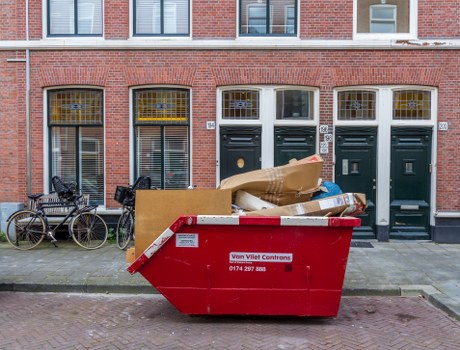 Management commits to regular inspections and to maintaining vehicles, tools and lifting equipment to a high standard across the rubbish collection area. Vehicle checks, load restraint procedures and safe driving practices are core controls for staff transporting garden waste or bulky items. Where mechanical aids or specialist plant are required, only trained operatives will use them and safe isolation procedures will be observed to reduce the risk of injury or accidental release of materials.
Responsibilities are clearly allocated: senior management provides the policy framework and resources; supervisors ensure workplace compliance; employees follow instructions and report hazards. To support these roles, the policy includes an induction process, periodic refresher training and competency checks to ensure staff understand site-specific rules within the garden clearance service area. Clear lines of accountability help maintain consistent safety performance.
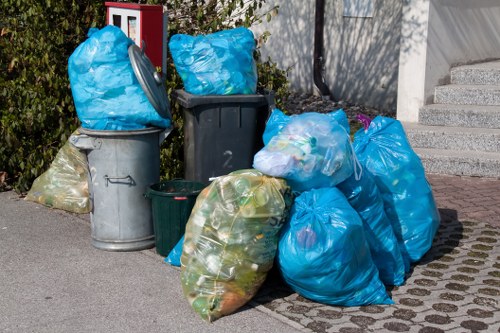 The company applies a structured risk assessment approach for common hazards associated with a rubbish company area, including manual handling injuries, slips and trips, cuts from sharp objects, contact with biological waste and traffic incidents. Controls include safe lifting techniques, use of gloves and eye protection, housekeeping standards to remove trip hazards, and segregation of recyclable and hazardous materials to prevent contamination or injury.
Key safety measures will be recorded and monitored. These include:
- regular site risk assessments and dynamic risk reviews;
- use of appropriate PPE and safe disposal methods;
- engineered controls and administrative measures to minimise exposure to hazards.
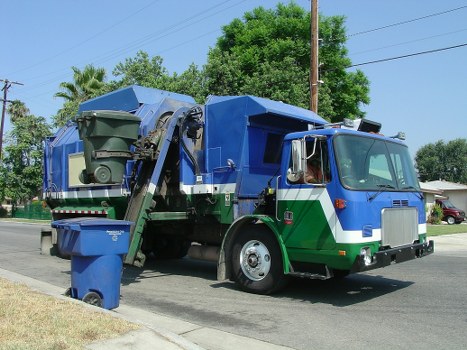 Manual handling and ergonomics receive specific attention: lifting techniques, team lifts for heavy items and use of trolleys or lifting aids reduce strain injuries during garden clearance and rubbish hauling. Training emphasises the use of leg power, keeping loads close to the body and planning lifts to avoid awkward postures. Regularly scheduled breaks and role rotation further reduce repetitive strain risks in the rubbish removal service area.
Emergency procedures are established for incidents including injury, vehicle collision, chemical spillage or fire on site. First-aid provision and accident-response plans are in place and visible to staff. All incidents and near-misses are to be reported promptly so that root causes can be identified and improvements made. The approach is corrective rather than punitive; learning and prevention drive changes to reduce recurrence.
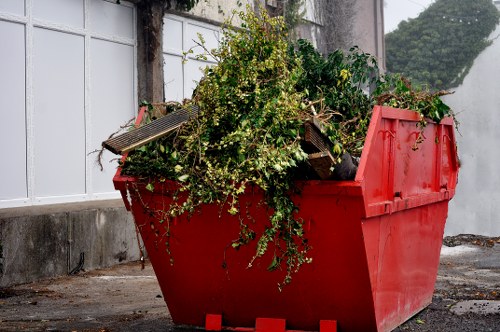 This policy emphasises continuous improvement: performance is reviewed through audits, incident trend analysis and staff consultations. Waste handling protocols comply with accepted environmental practice for garden waste and rubbish collection operations; hazardous or unknown items are isolated and handled by trained personnel following appropriate precautions. The safety policy will be reviewed annually or sooner after significant changes to operations, personnel or legislation to ensure ongoing relevance and effectiveness.
Training, Communication and Monitoring
Training covers induction, task-specific instruction and refreshers. Communication channels include toolbox talks, written briefings and visible job instructions at site points. Monitoring uses documented checklists and performance indicators to track safe work practices in the collection and clearance zones of the rubbish company service area.
Conclusion
The Garden Clearance Belmont Health & Safety Policy provides a practical framework to manage risk during garden clearances, green waste removal and general rubbish collection activities. By combining strong leadership, clear responsibilities, and robust controls across the rubbish collection area, the company aims to protect people and property while delivering reliable clearance services. Everyone engaged in these operations is expected to read, understand and apply this policy in daily work.